
Contribution of Immigrants to the Economy of Portugal
Contribution of Immigrants to the Economy of Portugal
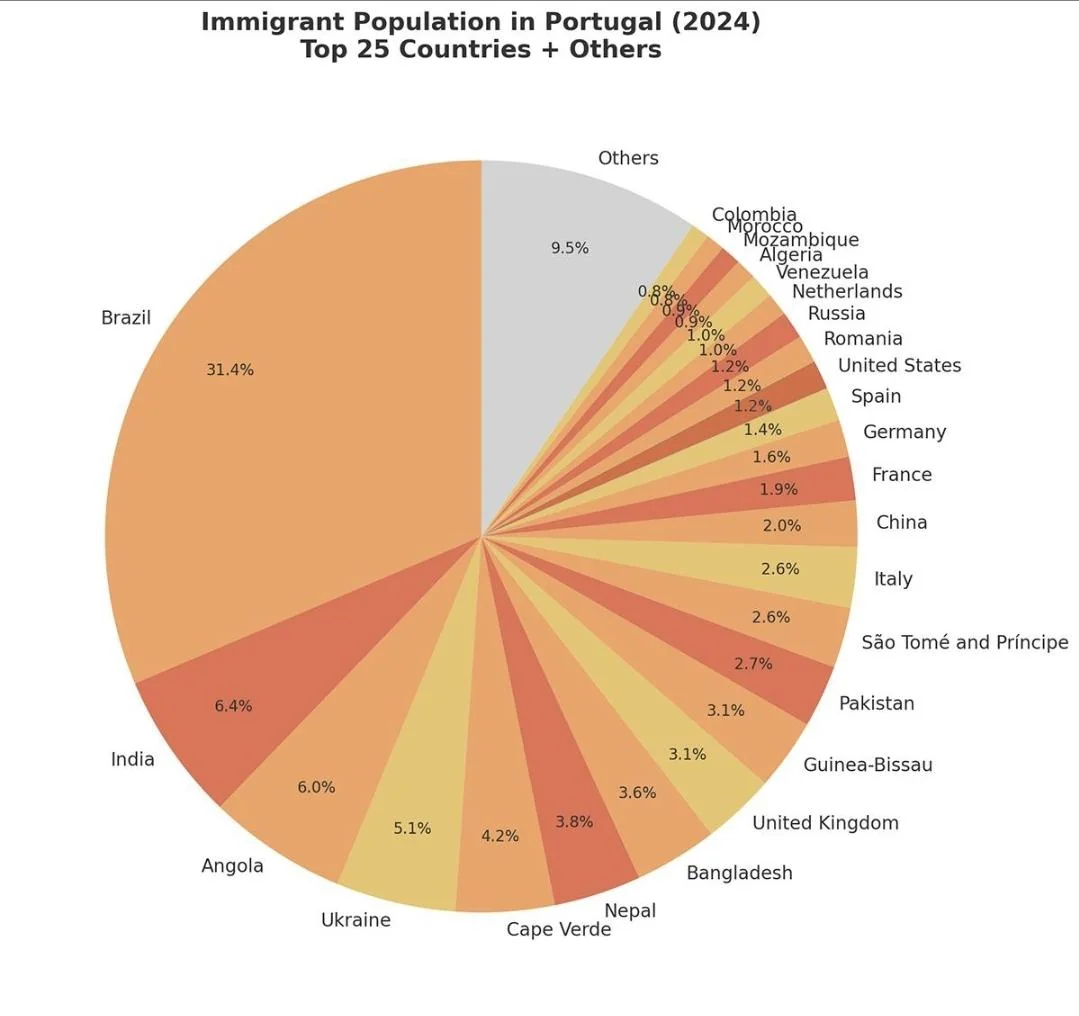
Portugal has undergone a significant economic and demographic transformation in recent years, with immigration emerging as one of the key drivers of this change. As the country continues to navigate the challenges of an ageing population, labor shortages, and post-pandemic recovery, immigrants have become essential contributors to sustaining growth and competitiveness in the economy of Portugal.
This article explores how immigration is shaping Portugal’s economy, the sectors most affected, and why migration policy has become a central topic in national development debates.
1. Addressing Labour Shortages Across Critical Sectors
One of the most direct and visible contributions of immigrants is their role in filling labour gaps across essential industries. Portugal has faced persistent shortages in sectors such as agriculture, construction, hospitality, and eldercare—areas that are vital to the functioning of the national economy but often struggle to attract sufficient local workers.
Immigrants provide the workforce needed to keep these sectors operational, especially during peak tourism seasons and large-scale infrastructure projects. Without this labor supply, many businesses would face reduced output, higher costs, or even closure.
At the same time, Portugal has increasingly attracted skilled foreign professionals in healthcare, engineering, and information technology. This shift is helping the country transition toward a more diversified and knowledge-based economy.
2. Contribution to Economic Growth and GDP
Immigrants contribute directly to national income through employment, consumption, and entrepreneurship. By participating in the labor market, they increase productivity and expand overall economic output.
Their spending on housing, transport, food, and services also stimulates local economies, particularly in urban centers such as Lisbon, Porto, and Faro. Studies across European economies consistently show that immigration has a positive or neutral effect on GDP per capita in the long term, largely due to increased labor participation and consumption demand.
3. Strengthening Public Finances and Social Security
Portugal faces a structural demographic challenge: an ageing population with increasing pressure on pensions and healthcare systems. Immigrants—typically younger and economically active—help offset this imbalance.
Through income taxes and social security contributions, they support public finances and help sustain welfare systems. This is particularly important in maintaining pension schemes, where the ratio of workers to retirees is steadily declining.
Government agencies such as the Agência para a Integração, Migrações e Asilo play a key role in ensuring that migration flows are managed effectively and that integration policies allow immigrants to participate fully in the formal economy.
4. Entrepreneurship and Business Creation
Immigrants are not only employees—they are also business creators. Many establish small and medium-sized enterprises (SMEs) in sectors such as restaurants, retail trade, construction services, and cleaning businesses.
These enterprises contribute to job creation, local tax revenues, and economic dynamism. In many cases, immigrant-owned businesses also introduce new products, services, and cultural diversity into local markets, enhancing Portugal’s attractiveness as a tourist and investment destination.
5. Supporting Demographic Sustainability
One of the most critical long-term contributions of immigration is demographic stabilization. Portugal has one of the oldest populations in Europe, with low birth rates and increasing life expectancy.
Immigration helps slow population decline and replenishes the working-age population. This is essential not only for maintaining economic productivity but also for ensuring the sustainability of public services and regional development, particularly in rural areas facing depopulation.
6. Integration Challenges and Policy Considerations
Despite the clear economic benefits, immigration also presents challenges that require careful policy attention. Housing affordability in major cities has become a pressing issue, partly driven by population growth and increased demand from foreign residents.
Additionally, barriers such as recognition of foreign qualifications, language integration, and administrative delays can limit the full economic potential of immigrants. Addressing these issues is crucial to maximizing their contribution to the economy.
Portugal’s future success in managing immigration will depend on balancing economic needs with social cohesion, ensuring that migrants are integrated into both the labor market and broader society.
Conclusion
Immigrants have become an indispensable part of the economic fabric of Portugal. Their contributions span across labor supply, GDP growth, fiscal stability, entrepreneurship, and demographic renewal. As Portugal continues to evolve within the European and global economy, immigration will remain a central factor shaping its long-term economic resilience and prosperity.
With effective governance and inclusive integration policies, Portugal can continue to turn migration into a strategic advantage for sustainable development.
Related Insights
You might also find these interesting
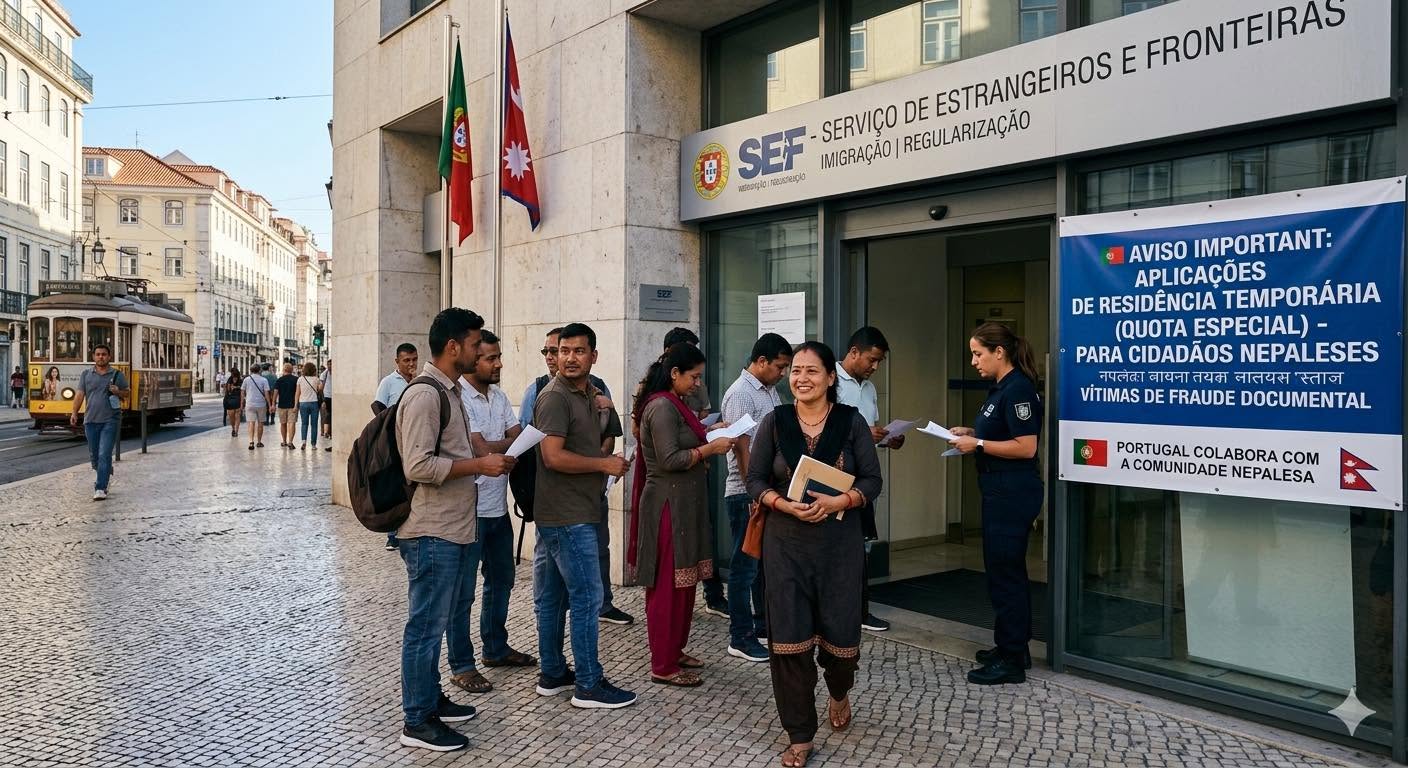
Portugal Allows Nearly 2,000 Nepalis to Apply for Temporary Residence Permits
Read More
Portugal Immigration Policy: Opportunities for Work, Settlement, and Retirement, Not Just Mobility
Read More
Immigrants Reconsider Future in Portugal Following Citizenship Law Changes
Read More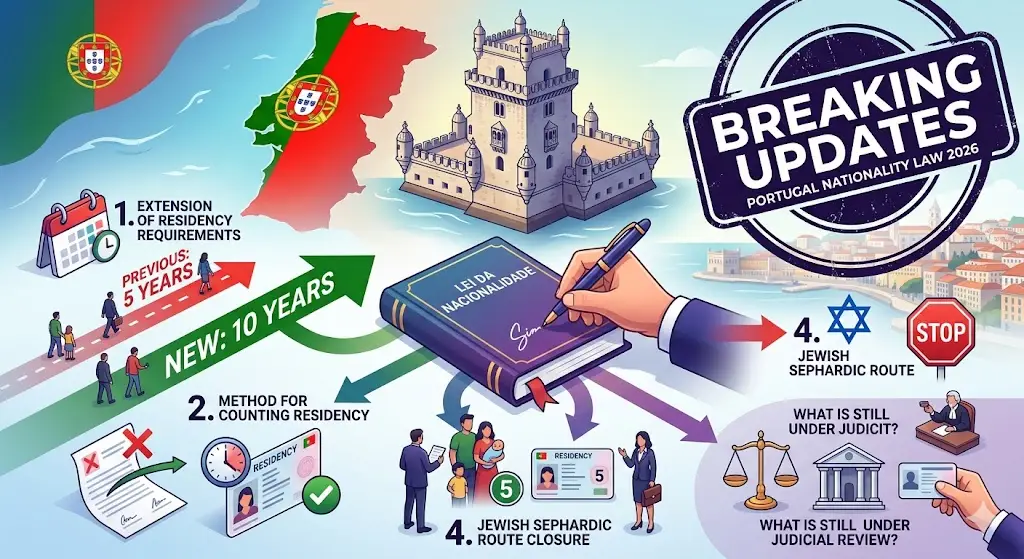
Understanding Portugal's Immigration Laws in 2026: What Every Immigrant Should Know
Read More
Cristiano Ronaldo Leads Portugal's 2026 World Cup Dream as Nation Rallies Behind the Seleção
Read More
Portugal Faces Nationwide Debate as Labor Reform Triggers General Strikes and Transport Disruptions
Read More

Portugal’s Digital Nomad Pathway: The Next Opportunity to Work, Live, and Retire in Europe
Read More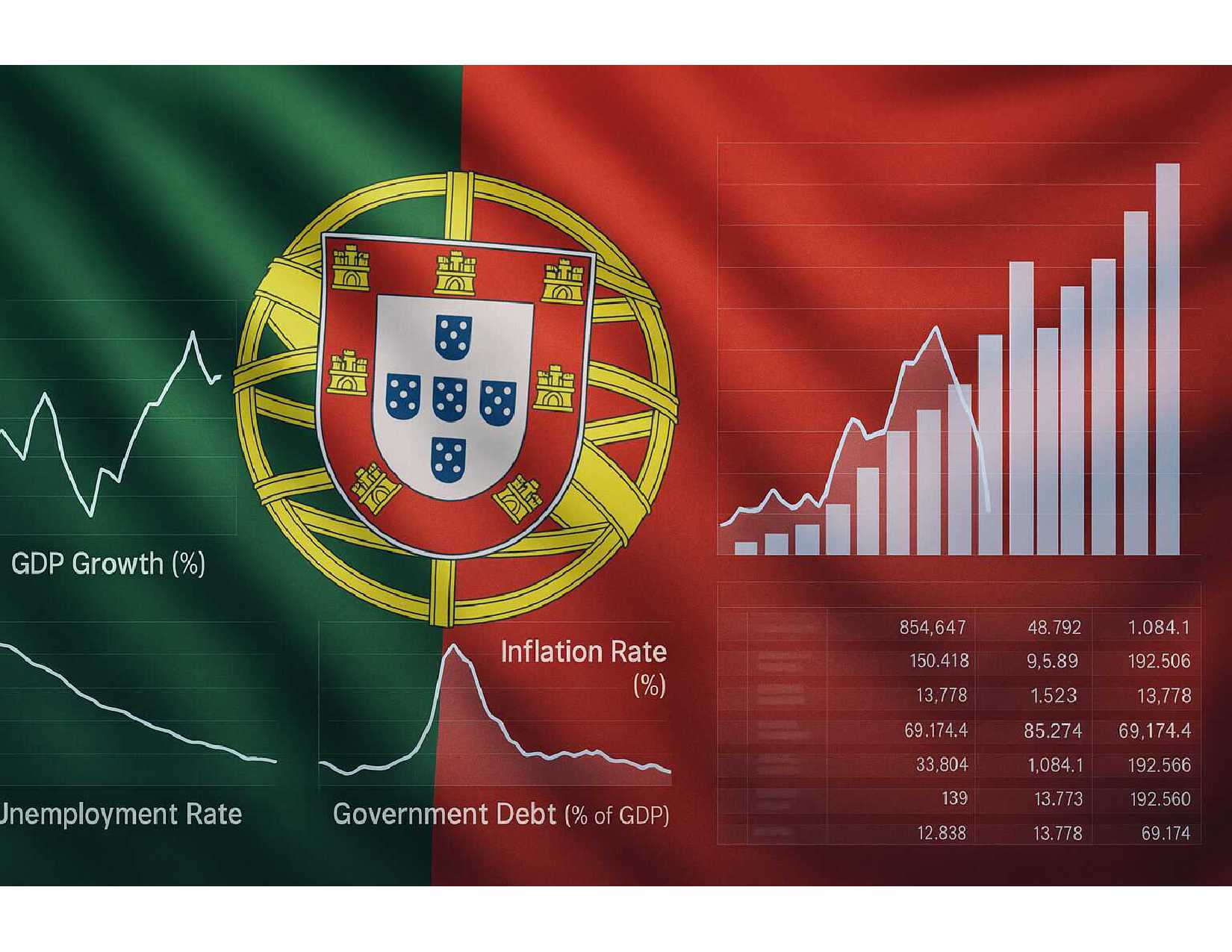
Could Portugal's Economy Face Severe Strain from Future National Policy Changes?
Read More