Could Portugal's Economy Face Severe Strain from Future National Policy Changes?
Could Portugal's Economy Face Severe Strain from Future National Policy Changes?
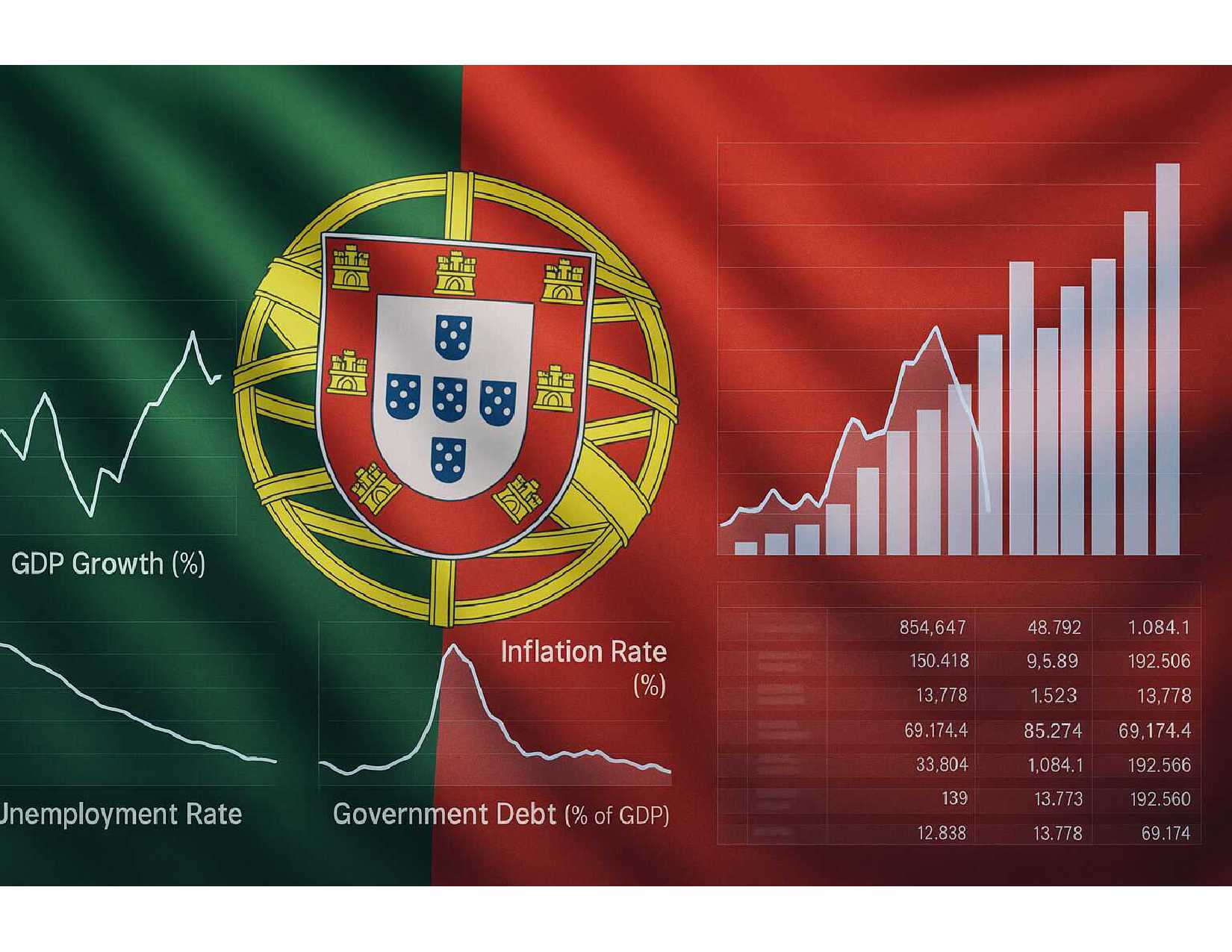
An Analysis of Economic Vulnerabilities and Policy Risks
Portugal has emerged over the past decade as one of Europe's notable economic recovery stories. Following the sovereign debt crisis and subsequent austerity measures, the country rebuilt investor confidence, reduced unemployment, strengthened public finances, and attracted significant foreign investment. However, economic stability remains dependent on sound policymaking. Significant changes in national policy could potentially undermine growth, investment, and fiscal sustainability.
While the prospect of a complete economic collapse remains unlikely, certain policy decisions could create conditions that place substantial pressure on Portugal's economy. Policymakers, businesses, and legal professionals should therefore understand the potential consequences of major policy shifts.
Dependence on Foreign Investment
Portugal has benefited considerably from foreign direct investment, particularly in technology, tourism, renewable energy, and real estate. International investors are attracted by political stability, access to the European Union market, and a predictable legal framework.
If future national policies were to increase regulatory uncertainty, impose abrupt tax increases, or weaken investor protections, Portugal could experience a decline in foreign investment inflows. Reduced investment would likely affect job creation, productivity growth, and tax revenues.
Investor confidence is often built over decades but can be weakened within a relatively short period if policy changes are perceived as unpredictable or hostile to business activity.
Fiscal Sustainability Concerns
Portugal continues to carry a substantial public debt burden despite recent improvements in fiscal management. Government policies that significantly increase public spending without corresponding revenue sources could place renewed pressure on public finances.
Higher deficits may increase borrowing costs and reduce fiscal flexibility during future economic downturns. In an environment of rising interest rates, maintaining fiscal discipline becomes particularly important.
A sustained deterioration in public finances could lead to lower credit ratings, increased debt-servicing costs, and reduced investor confidence.
Impact of Labour Market Policies
Labour market reforms have contributed to employment growth and economic competitiveness. However, significant policy changes affecting employment regulations, wage structures, or business costs could have unintended consequences.
While worker protections are essential, excessive regulatory burdens may discourage hiring, particularly among small and medium-sized enterprises. Businesses operating in highly competitive international markets may relocate investments to jurisdictions offering greater flexibility.
The challenge for policymakers is to balance social protections with economic competitiveness.
Housing and Real Estate Market Adjustments
Portugal's housing market has experienced substantial growth, supported by tourism, foreign buyers, and investment programs. Policy changes affecting property ownership, taxation, rental regulations, or foreign investment could alter market dynamics.
Although some interventions may address affordability concerns, poorly designed measures could reduce investment in housing development, limit supply growth, and create uncertainty in the property sector.
Since construction, tourism, and real estate contribute significantly to economic activity, disruptions in these sectors can have broader economic consequences.
European Union and International Relations
Portugal's economic performance is closely linked to its membership in the European Union. Access to EU funding, trade agreements, and financial mechanisms provides important economic support.
Policies that create conflict with European regulatory frameworks or reduce cooperation with European institutions could negatively affect investor sentiment and economic integration. Portugal's economic success has been closely connected to its participation in European markets and institutions.
Energy and Industrial Competitiveness
Portugal has invested heavily in renewable energy and sustainability initiatives. Future policy changes affecting energy markets, industrial regulation, or environmental compliance costs must carefully balance environmental objectives with economic competitiveness.
Industries facing rising operational costs may struggle to compete internationally if policy frameworks do not adequately consider economic realities.
Maintaining affordable and reliable energy remains a key factor in supporting long-term growth.
Conclusion
Portugal is unlikely to experience an outright economic collapse solely as a result of a single national policy change. However, a combination of poorly designed policies affecting investment, fiscal sustainability, labour markets, housing, and international relations could significantly weaken economic performance.
Economic resilience depends not only on current conditions but also on maintaining predictable institutions, legal certainty, fiscal responsibility, and a competitive business environment. For legal professionals, investors, and policymakers, understanding these risks is essential when evaluating the long-term implications of national policy reforms.
The future strength of Portugal's economy will largely depend on whether policy changes promote confidence, productivity, and sustainable growth, or whether they introduce uncertainty that discourages investment and economic activity.
Related Insights
You might also find these interesting
Portugal Allows Nearly 2,000 Nepalis to Apply for Temporary Residence Permits
Read More
Portugal Immigration Policy: Opportunities for Work, Settlement, and Retirement, Not Just Mobility
Read More
Immigrants Reconsider Future in Portugal Following Citizenship Law Changes
Read More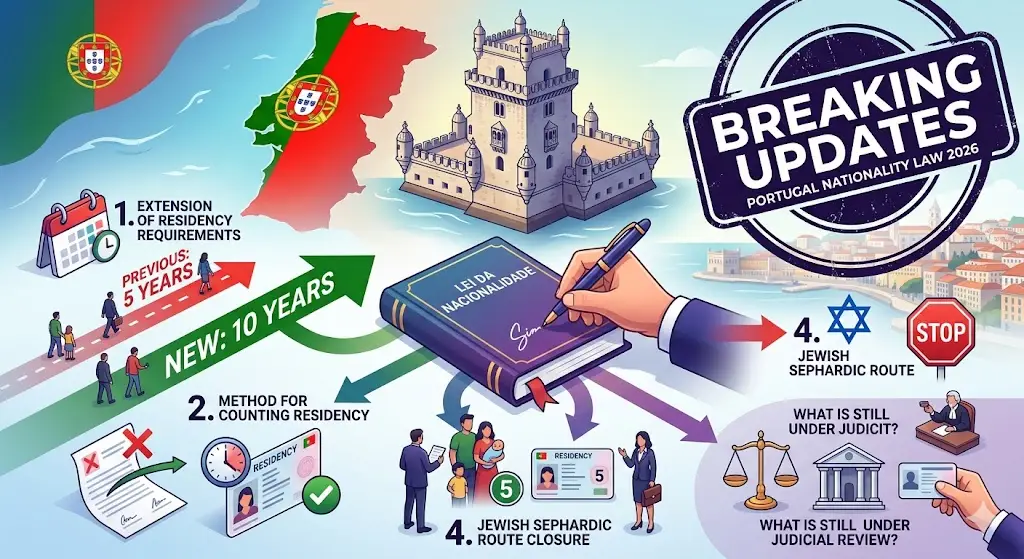
Understanding Portugal's Immigration Laws in 2026: What Every Immigrant Should Know
Read More
Cristiano Ronaldo Leads Portugal's 2026 World Cup Dream as Nation Rallies Behind the Seleção
Read More
Portugal Faces Nationwide Debate as Labor Reform Triggers General Strikes and Transport Disruptions
Read More
Portugal’s Digital Nomad Pathway: The Next Opportunity to Work, Live, and Retire in Europe
Read More
Could Portugal's Economy Face Severe Strain from Future National Policy Changes?
Read More