Understanding Portugal's Immigration Laws in 2026: What Every Immigrant Should Know
Understanding Portugal's Immigration Laws in 2026: What Every Immigrant Should Know
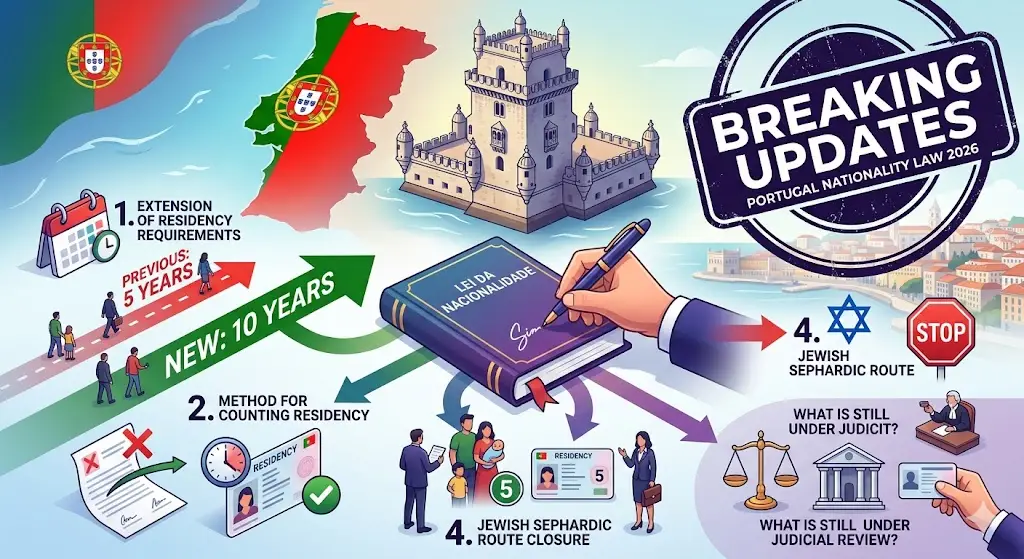
Portugal has long been recognized as one of Europe's most welcoming destinations for immigrants, attracting people from around the world seeking employment, education, business opportunities, and a better quality of life. However, immigration laws and procedures continue to evolve, making it essential for foreign nationals to stay informed about their rights and legal obligations.
This article provides an overview of Portugal's immigration framework and highlights key legal aspects that immigrants should understand in 2026.
Legal Entry and Residence in Portugal
Foreign nationals who wish to live in Portugal generally require a valid visa or residence authorization, depending on their nationality and purpose of stay. The most common residence categories include:
- Employment-based residence permits
- Family reunification permits
- Student residence permits
- Entrepreneur and business permits
- Digital nomad and remote worker visas
- Long-term residence permits
Individuals must ensure that they enter Portugal through lawful channels and maintain valid immigration status throughout their stay.
The Importance of Residence Permits
A residence permit serves as proof of legal residence and grants access to various rights and services. Permit holders may be entitled to:
- Work legally in Portugal
- Access healthcare services
- Enroll in educational institutions
- Open bank accounts
- Register for social security
- Travel within the Schengen Area under applicable rules
Failure to renew a residence permit on time may lead to administrative complications and potential legal consequences.
Family Reunification Rights
Portugal recognizes the importance of family unity and provides legal pathways for family reunification. Eligible residents may apply for permits allowing spouses, dependent children, and, in certain cases, dependent parents to join them in Portugal.
Applicants must generally demonstrate adequate accommodation, financial resources, and legal residence status.
Employment Rights for Immigrants
Immigrants working in Portugal enjoy the same fundamental labor rights as Portuguese citizens. These rights include:
- Equal treatment in the workplace
- Minimum wage protection
- Safe working conditions
- Paid holidays and leave entitlements
- Protection against discrimination and exploitation
Employers are legally required to comply with Portuguese labor laws regardless of the nationality of their employees.
Pathway to Permanent Residence
Foreign nationals who have legally resided in Portugal for a qualifying period may become eligible for permanent residence. Permanent residents benefit from greater stability and fewer administrative requirements compared to temporary permit holders.
Eligibility typically depends on factors such as continuous legal residence, compliance with immigration laws, and absence of serious criminal convictions.
Portuguese Citizenship Opportunities
Portugal offers a pathway to citizenship for many long-term residents. Individuals who meet legal residency requirements and satisfy other statutory conditions may apply for Portuguese nationality.
Citizenship provides significant benefits, including:
- Full political rights
- Freedom of movement within the European Union
- Access to Portuguese passports
- Equal legal status with Portuguese-born citizens
Applicants should carefully review eligibility criteria and documentation requirements before applying.
Rights and Responsibilities of Immigrants
While Portugal grants extensive protections to immigrants, residents are also expected to comply with national laws and regulations. Key responsibilities include:
- Maintaining valid immigration documentation
- Reporting changes of address when required
- Complying with tax obligations
- Respecting Portuguese laws and public order
Understanding these responsibilities helps immigrants integrate successfully into Portuguese society.
Current Challenges and Reforms
In recent years, Portugal has experienced a significant increase in immigration applications. As a result, authorities have introduced administrative reforms aimed at improving processing efficiency, reducing backlogs, and strengthening border and residence management systems.
Immigrants should stay informed about legal updates, as immigration policies may change in response to labor market demands, European Union regulations, and national policy priorities.
Conclusion
Portugal continues to be an attractive destination for immigrants due to its strong legal protections, high quality of life, and opportunities for personal and professional growth. Understanding immigration laws is essential for maintaining legal status and fully benefiting from the rights available to residents.
As immigration remains a key component of Portugal's economic and social development, staying informed and complying with legal requirements will help immigrants build secure and successful futures in the country.
Related Insights
You might also find these interesting
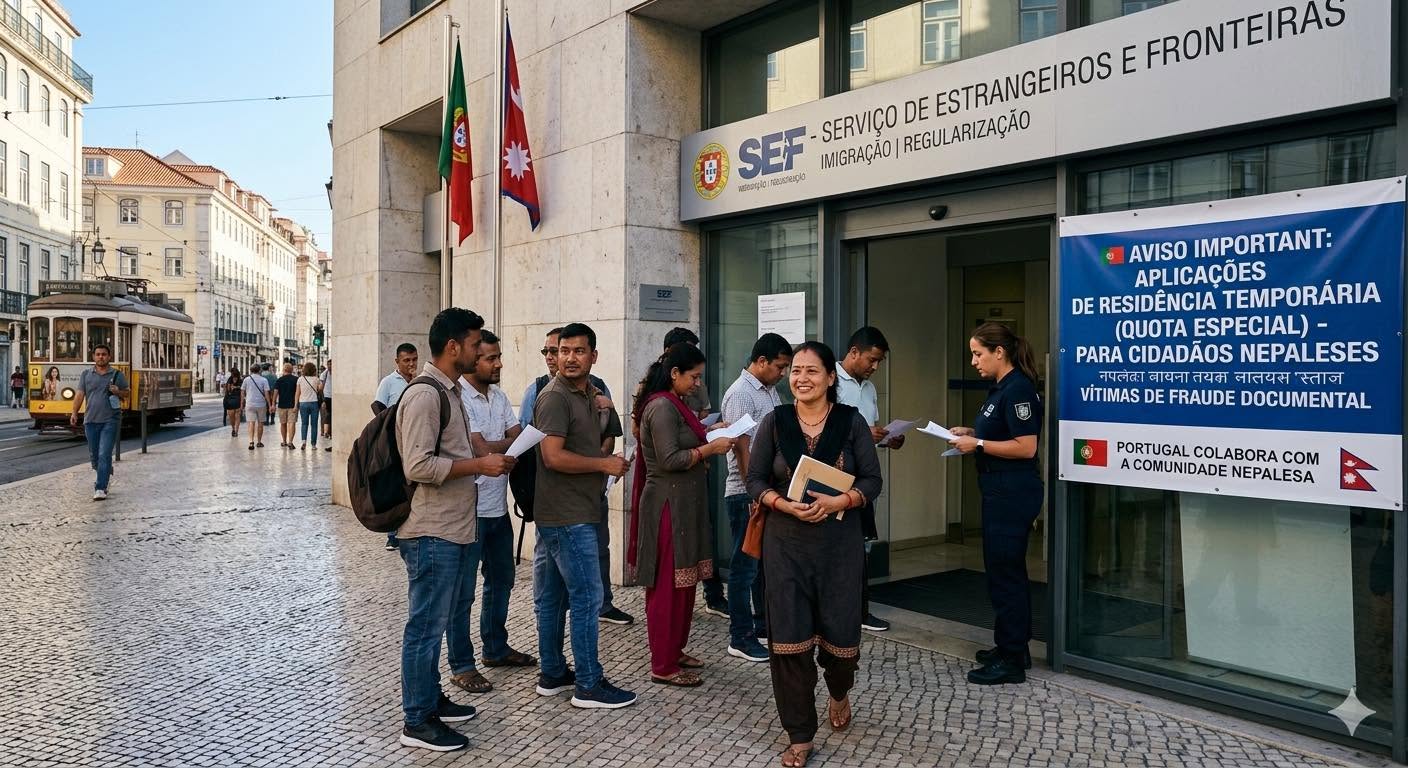
Portugal Allows Nearly 2,000 Nepalis to Apply for Temporary Residence Permits
Read More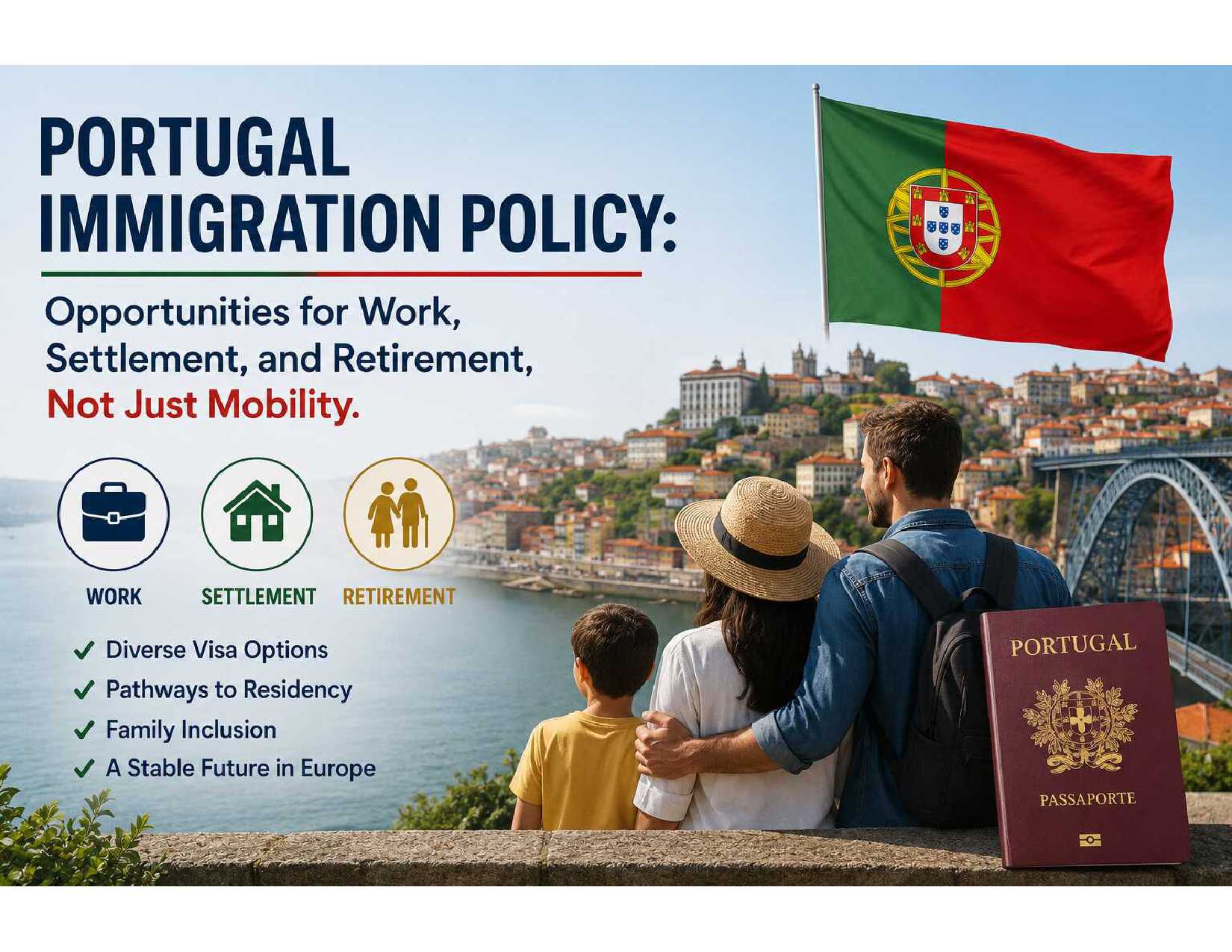
Portugal Immigration Policy: Opportunities for Work, Settlement, and Retirement, Not Just Mobility
Read More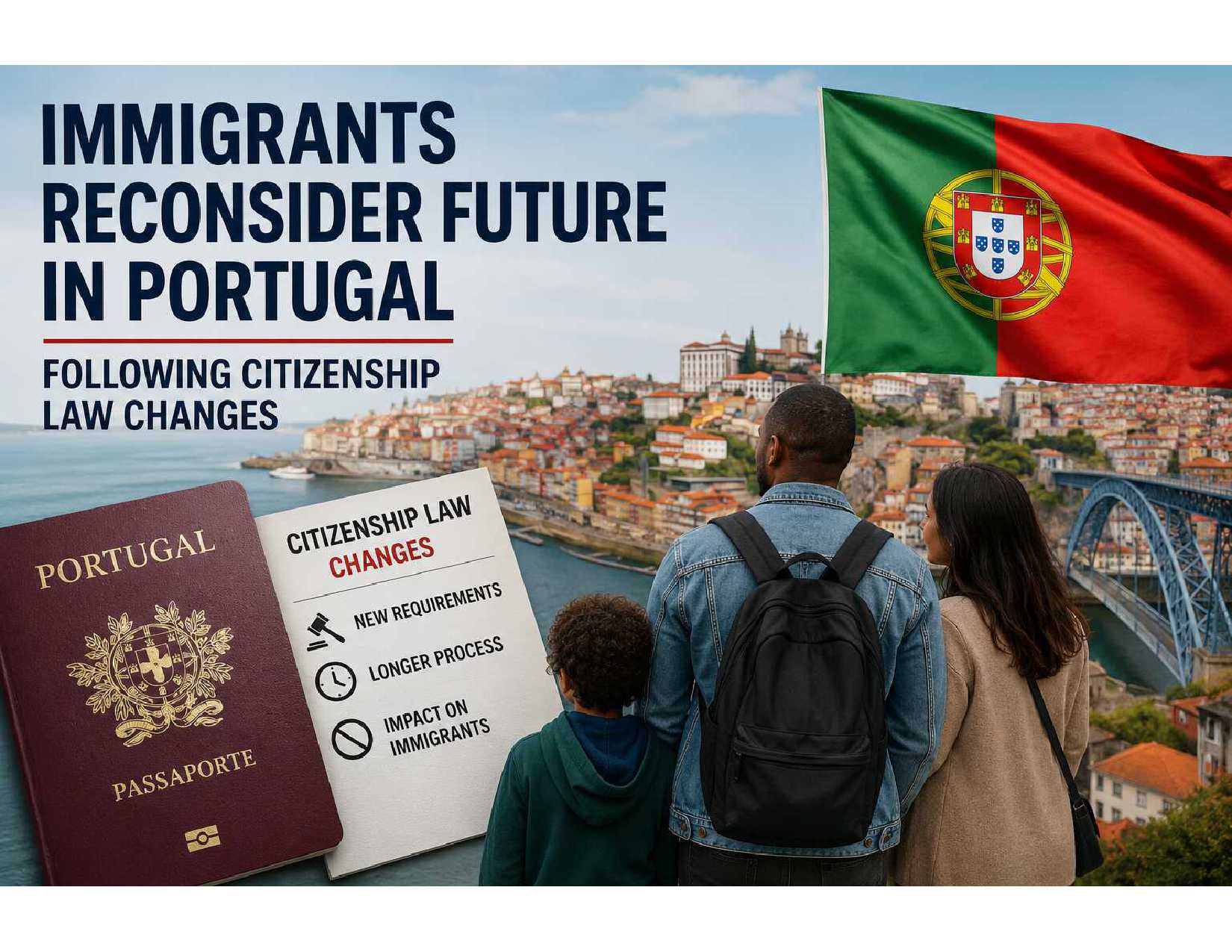
Immigrants Reconsider Future in Portugal Following Citizenship Law Changes
Read More
Understanding Portugal's Immigration Laws in 2026: What Every Immigrant Should Know
Read More
Cristiano Ronaldo Leads Portugal's 2026 World Cup Dream as Nation Rallies Behind the Seleção
Read More
Portugal Faces Nationwide Debate as Labor Reform Triggers General Strikes and Transport Disruptions
Read More

Portugal’s Digital Nomad Pathway: The Next Opportunity to Work, Live, and Retire in Europe
Read More
Could Portugal's Economy Face Severe Strain from Future National Policy Changes?
Read More