Portugal Faces Nationwide Debate as Labor Reform Triggers General Strikes and Transport Disruptions
Portugal Faces Nationwide Debate as Labor Reform Triggers General Strikes and Transport Disruptions

Lisbon, Portugal — Portugal is witnessing a wave of public demonstrations, labor strikes, and political debate following the government's proposed labor reform package, which supporters describe as necessary for economic competitiveness and critics argue could weaken worker protections.
The proposed reforms have sparked nationwide protests led by major trade unions, resulting in significant disruptions across public transportation networks, education services, and government operations. Thousands of workers have participated in coordinated strikes in major cities including Lisbon, Porto, Coimbra, and Faro, bringing renewed attention to longstanding concerns over wages, job security, and workplace rights.
Growing Tensions Between Government and Labor Groups
The government's labor reform initiative seeks to modernize employment regulations, increase labor market flexibility, and encourage investment in key sectors of the economy. Officials argue that the changes are designed to help Portuguese businesses remain competitive in an increasingly challenging European and global economic environment.
However, labor unions contend that several proposed measures could make it easier for employers to alter working conditions, increase temporary employment contracts, and reduce protections for workers facing layoffs. Union leaders have described the reforms as a threat to decades of labor rights secured through collective bargaining and social dialogue.
"The proposed changes risk shifting the balance too heavily in favor of employers," one union representative stated during a demonstration in Lisbon. "Workers deserve stability, fair wages, and strong protections in uncertain economic times."
Transport Services Among the Hardest Hit
Public transportation has been among the sectors most affected by the industrial action. Rail services, urban metro systems, and bus networks have experienced delays, cancellations, and reduced schedules as employees joined strike actions across the country.
Commuters in major metropolitan areas faced lengthy travel disruptions, with some routes operating at minimal service levels during peak hours. Airport ground staff and port workers have also participated in selective work stoppages, creating logistical challenges for travelers and businesses.
Authorities have urged citizens to plan journeys carefully and remain informed about service updates as negotiations continue.
Economic and Political Implications
Economists remain divided on the potential impact of the labor reforms. Supporters argue that greater flexibility could encourage business expansion, attract foreign investment, and create new employment opportunities. They point to similar reforms implemented elsewhere in Europe that have aimed to improve labor market efficiency.
Critics, however, warn that increased flexibility could come at the expense of job stability and household income security. Some analysts suggest that prolonged labor unrest could negatively affect economic growth, tourism, and consumer confidence if disputes remain unresolved.
The debate has also intensified political tensions within Portugal's parliament, where opposition parties have called for broader consultations with labor organizations before any final legislation is approved.
Public Opinion Remains Divided
Public reaction to the reforms reflects broader concerns about Portugal's economic future. While some business groups have welcomed efforts to modernize employment laws, many workers fear the changes could erode hard-won labor protections at a time when inflation and housing costs continue to pressure household budgets.
Recent demonstrations have drawn participants from diverse sectors, including healthcare, education, transportation, and public administration, highlighting the widespread nature of the concerns.
Political observers note that the labor reform debate has evolved into a broader national conversation about economic growth, social protections, and the future of work in Portugal.
Path Forward
Government officials have signaled a willingness to continue negotiations with unions and employer associations in an effort to reduce tensions and find common ground. Labor leaders, meanwhile, have indicated that additional strike actions remain possible if key concerns are not addressed.
As discussions continue, Portugal faces the challenge of balancing economic modernization with worker protections—a debate that is likely to shape the country's political and economic landscape for months to come.
For now, commuters, businesses, and policymakers alike are closely watching developments as one of Portugal's most significant labor disputes in recent years unfolds.
Related Insights
You might also find these interesting
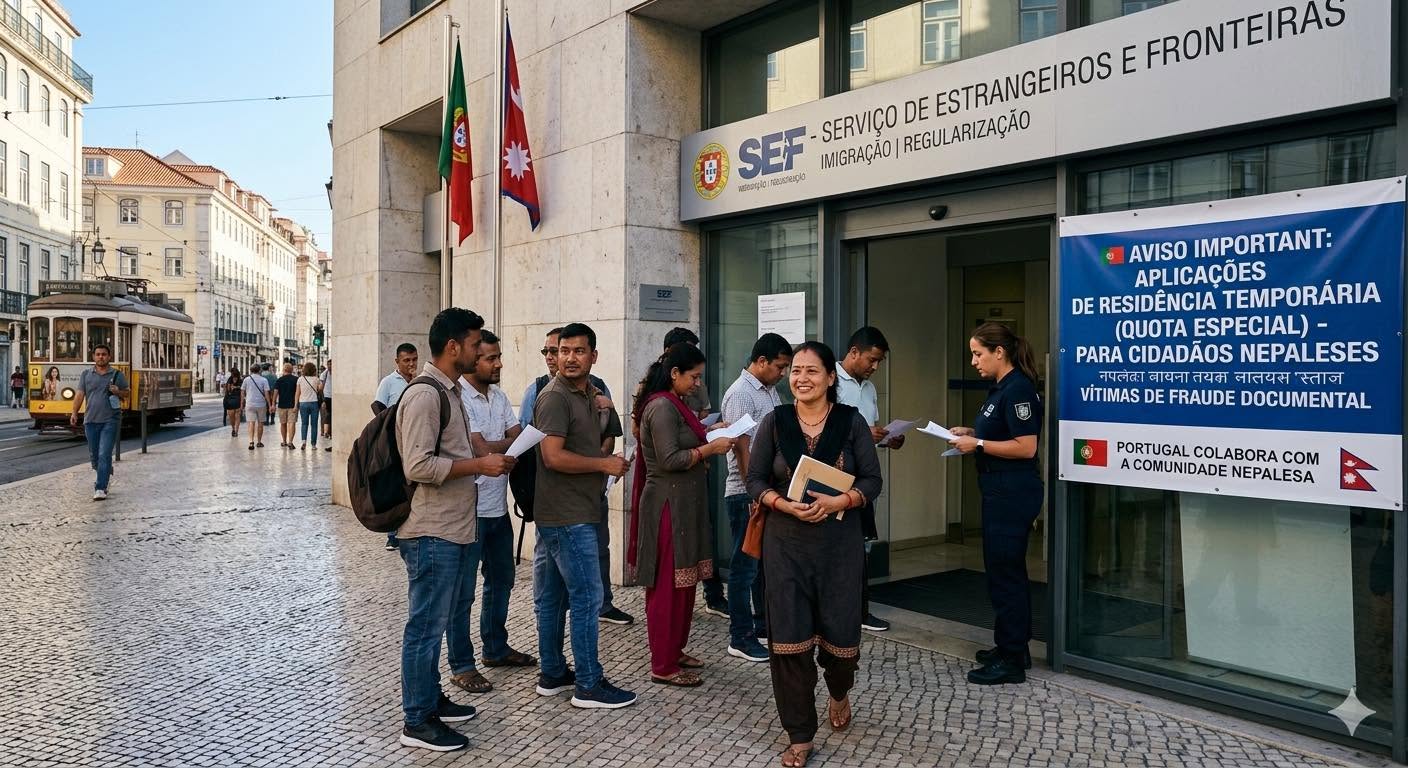
Portugal Allows Nearly 2,000 Nepalis to Apply for Temporary Residence Permits
Read More
Portugal Immigration Policy: Opportunities for Work, Settlement, and Retirement, Not Just Mobility
Read More
Immigrants Reconsider Future in Portugal Following Citizenship Law Changes
Read More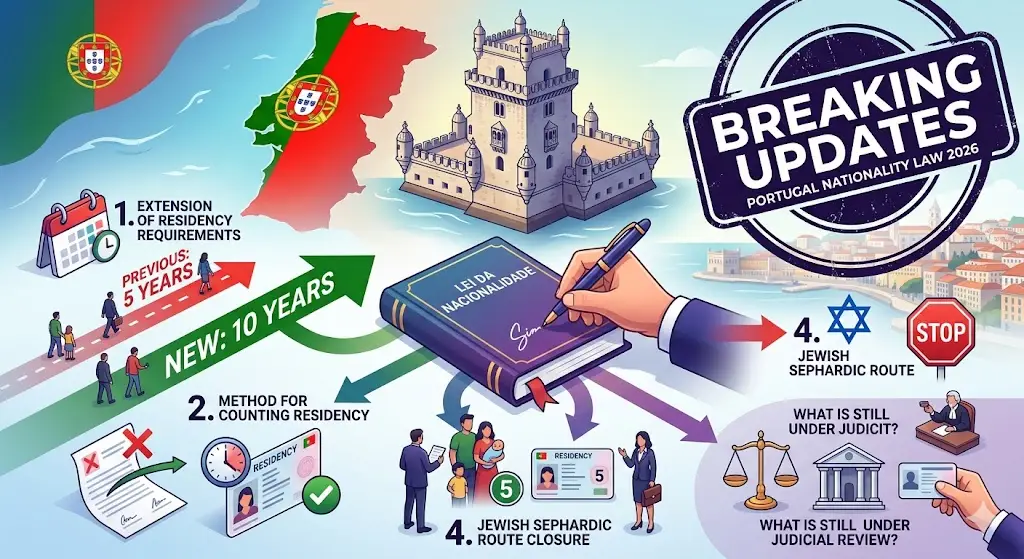
Understanding Portugal's Immigration Laws in 2026: What Every Immigrant Should Know
Read More
Cristiano Ronaldo Leads Portugal's 2026 World Cup Dream as Nation Rallies Behind the Seleção
Read More
Portugal Faces Nationwide Debate as Labor Reform Triggers General Strikes and Transport Disruptions
Read More

Portugal’s Digital Nomad Pathway: The Next Opportunity to Work, Live, and Retire in Europe
Read More
Could Portugal's Economy Face Severe Strain from Future National Policy Changes?
Read More